Find Out How the Maha Kumbh Mela is Conducted in 2025
Need Guidance On Your Problems?
Consult With The Best Online Astrologers


The Maha Kumbh Mela 2025 at Prayagraj was a massive spiritual, cultural, infrastructural, and administrative undertaking. Held from January 13 to February 26, 2025, this 45-day festival drew hundreds of millions of pilgrims to Triveni Sangam, the sacred confluence of the Ganga, Yamuna, and the mythical Saraswati rivers.
Below are the key ways the event was organized and run, highlighting planning, rituals, logistics, and innovations.
Planning & Infrastructure
-
The government of Uttar Pradesh implemented large-scale infrastructure upgrades. Roads, flyovers, and underpasses were either widened or newly constructed to handle the flow of pilgrims.
-
The airport, railway stations, and highways connecting Prayagraj to surrounding regions were improved to facilitate access.
-
A tent city (temporary accommodation) was built. More than 150,000 tents were set up to house devotees.
-
The mela ground was divided into sectors (25 sectors), with accessibility via many roads; major ghats (river banks) were expanded to reduce congestion.
Rituals & Key Religious Events
-
Snan (Holy Bathing): The most important ritual. Pilgrims bathe in the sacred waters at Sangam. The belief is that this cleanses sins and helps with spiritual liberation (moksha).
-
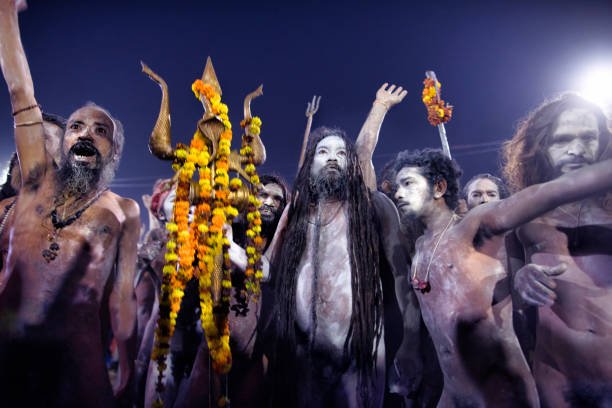
Shahi Snan (Royal Bath): Processions by Akharas (religious orders), saints, and naga sadhus lead the way. These happen on specific auspicious days. Only after these processions is the Bank open for general pilgrim bathing.
-
Aarti: Daily worship on the river banks, especially at morning and evening. Priests (Batuks) chanting hymns, performing rituals with lamps, offering respect to the rivers
Key Dates & Significance
Some of the very important dates during the 2025 Maha Kumbh:
| Event | Date |
|---|---|
| Paush Purnima Snan | January 13, 2025 |
| Makar Sankranti (First Shahi Snan) | January 14, 2025 |
| Mauni Amavasya (Second Shahi Snan) | January 29, 2025 |
| Basant Panchami (Third Shahi Snan) | February 3, 2025 |
| Maghi Purnima | February 12, 2025 |
| Maha Shivratri (End) | February 26, 2025 |
Crowd Management, Safety & Facilities
-
With an expected attendance in the hundreds of millions, massive arrangements were made for traffic management, parking, and transportation. Special bus stands and shuttle services were organized.
-
Sanitation was a major focus. More than 145,000 toilets were deployed, along with systems for solid waste collection (dustbins, tippers, compactors). Efforts were made to maintain the area hygienically.
-
Lighting and visibility: Over 67,000 LED lights were installed throughout the mela area.
-
Facilities like water ATMs, temporary bus stands, medical stations, and emergency services were set up to help pilgrims.
Innovations & New Features
-
The mela incorporated modern technologies: digital signage, integrated command and control centers, better mapping and traffic flow plans.
-
Special floating jetties at Sangam for better access during bathing.
-
Theme-based gates, cultural programs, laser shows, and a focus on making the mela more engaging and dignified for visitors.
Challenges & Lessons
-
Managing crowd density on the major Snan days was particularly difficult due to scale. Ensuring safety (avoiding stampede risk), managing medical emergencies, and coordinating multiple agencies were constant tasks.
-
Logistics like transportation, accommodation, and maintaining hygiene under the pressure of so many people required detailed planning, but there were still areas of strain.
-
The timing of certain rituals and opening of ghats had to consider not just spiritual significance but also crowd flow and infrastructure readiness.
Conclusion
The Maha Kumbh Mela 2025 was not just a religious gathering; it was a massive logistical and cultural exercise. Blending ancient rituals with modern planning, it showcased how large-scale spiritual events can be managed with technology, infrastructure upgrades, and meticulous coordination. While the spiritual experience remained at its core, the event set new benchmarks in terms of safety, capacity, and facilities.